 Vizuara Books
One library, one order to read it in.
Six stages, front to back. Each stage says what it assumes you already know, so you can drop in at the right place instead of guessing. Nothing here is locked to the order: it is the route we would walk with you if you asked.
The ground floor
Every book after this one assumes you can read a matrix equation and run a Python script. Start here if either of those makes you pause.
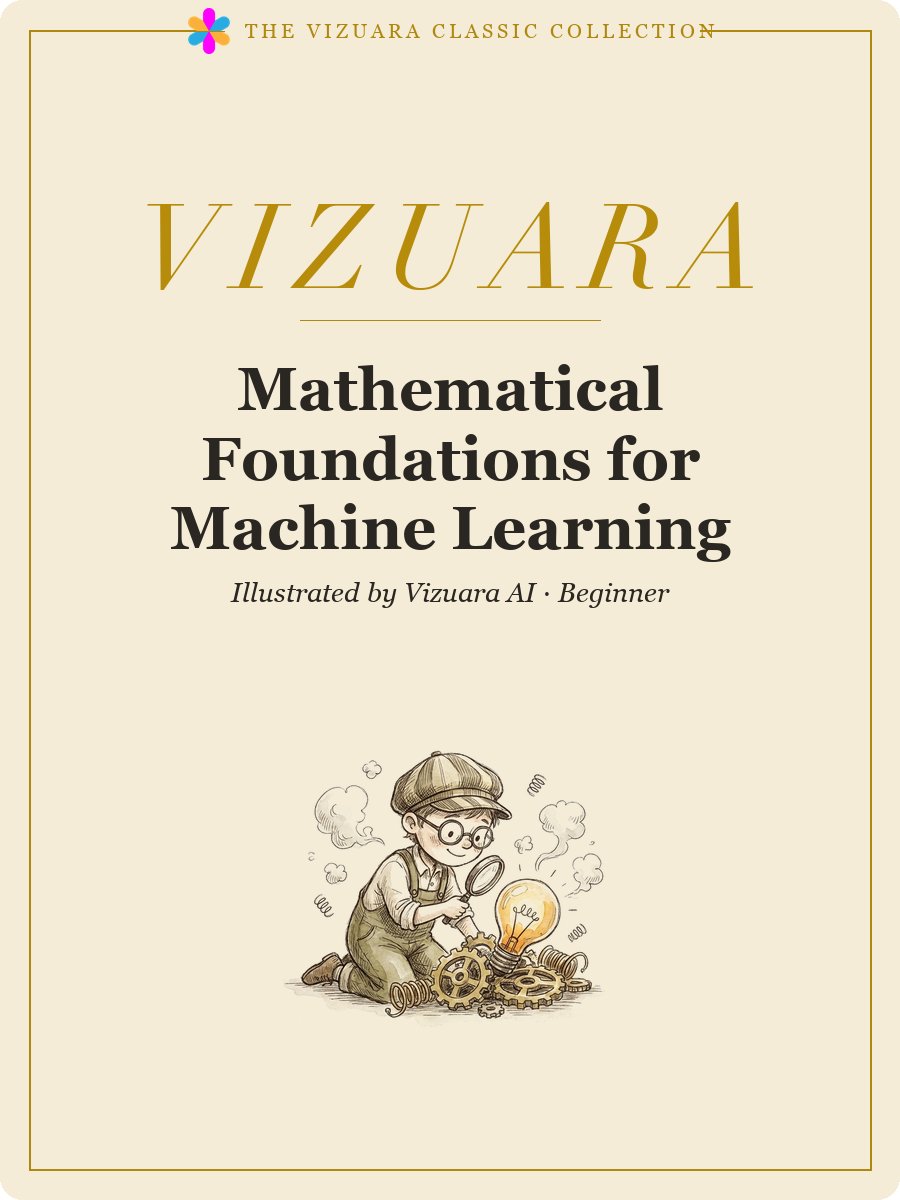 Mathematical Foundations for Machine LearningThe linear algebra, probability, and calculus that the rest of the library quietly assumes.
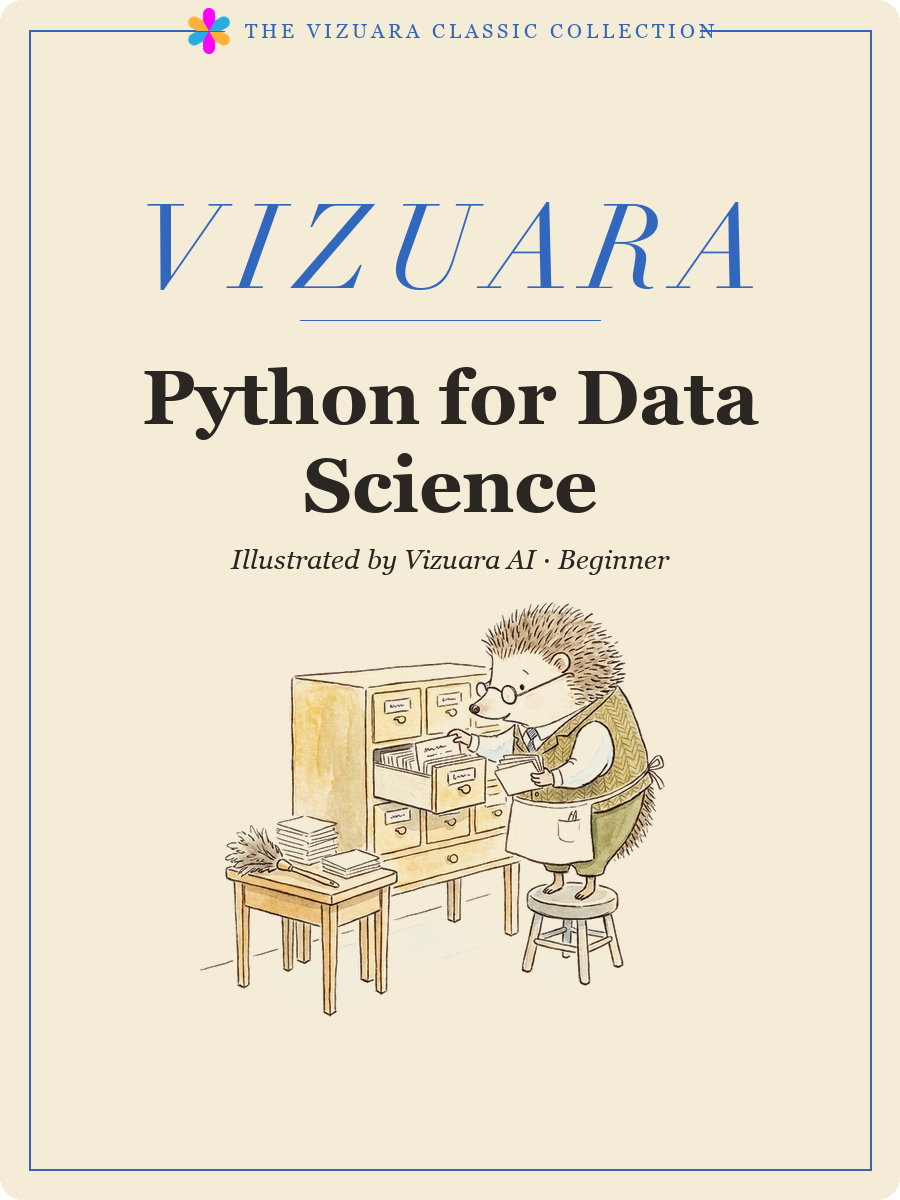 Python for Data ScienceFreeEnough Python, NumPy, and pandas to run an experiment and read the result.
Learning from data
Before neural networks, the ideas they inherit: a loss to minimise, a model that fits, and a test set that keeps you from fooling yourself.
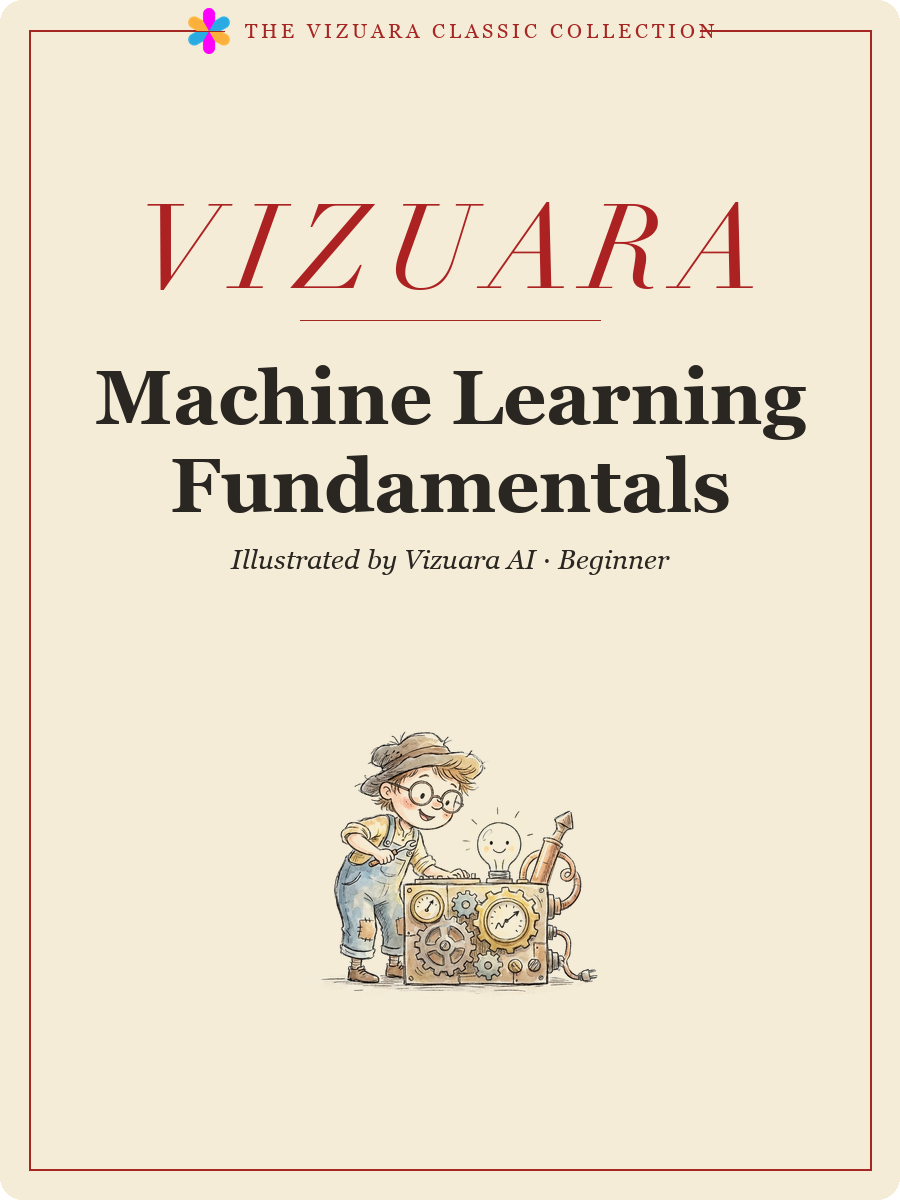 Machine Learning FundamentalsFreeRegression, classification, and the training loop, built by hand before any framework.↳ reads best after Mathematical Foundations for Machine Learning and Python for Data Science
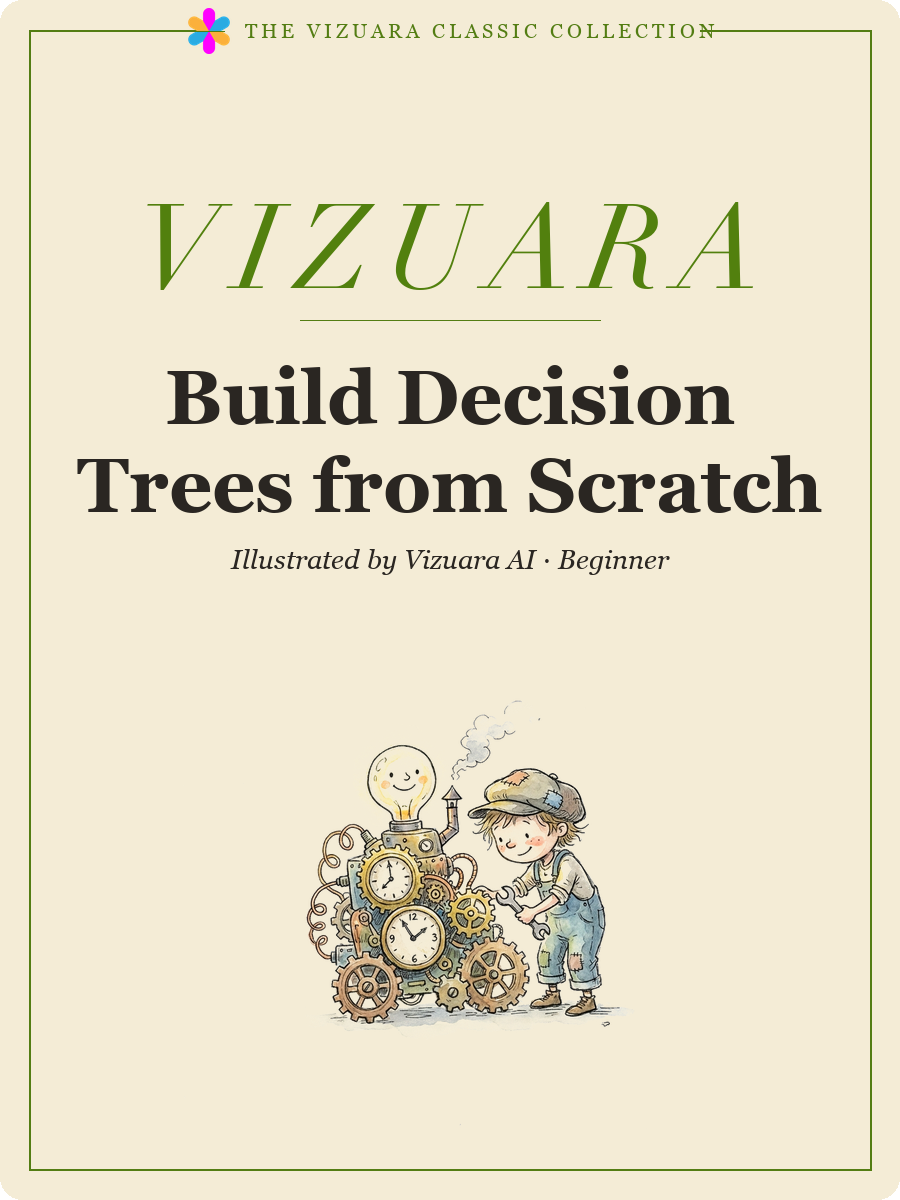 Build Decision Trees from ScratchGrow a tree by hand. The clearest model there is for watching a fit happen.↳ reads best after Python for Data Science
Neural networks
One neuron, then a layer, then backpropagation written out by hand. This is where the maths from stage 1 starts doing visible work.
 Neural Networks from ScratchFreeFrom a single neuron to a working network in plain Python, backpropagation included.↳ reads best after Machine Learning Fundamentals
 Deep Learning FundamentalsThe same ideas at depth: initialisation, optimisers, regularisation, and why training fails.↳ reads best after Neural Networks from Scratch
Attention, and your own LLM
Read this stage in order. Build Large Language Models from Scratch opens on a 124-million-parameter model and takes for granted that you know what a transformer block, d_model, and a vocabulary are. The book before it is where you meet them.
 Transformers: Theory, intuition, and Building from ScratchAttention, and the queries, keys, and values it runs on. Read this one before you build the LLM.↳ reads best after Deep Learning Fundamentals
 Build Large Language Models (LLMs) from ScratchFreeThe GPT you write yourself: tokeniser, blocks, pretraining, fine-tuning.↳ reads best after Transformers: Theory, intuition, and Building from Scratch and Neural Networks from Scratch
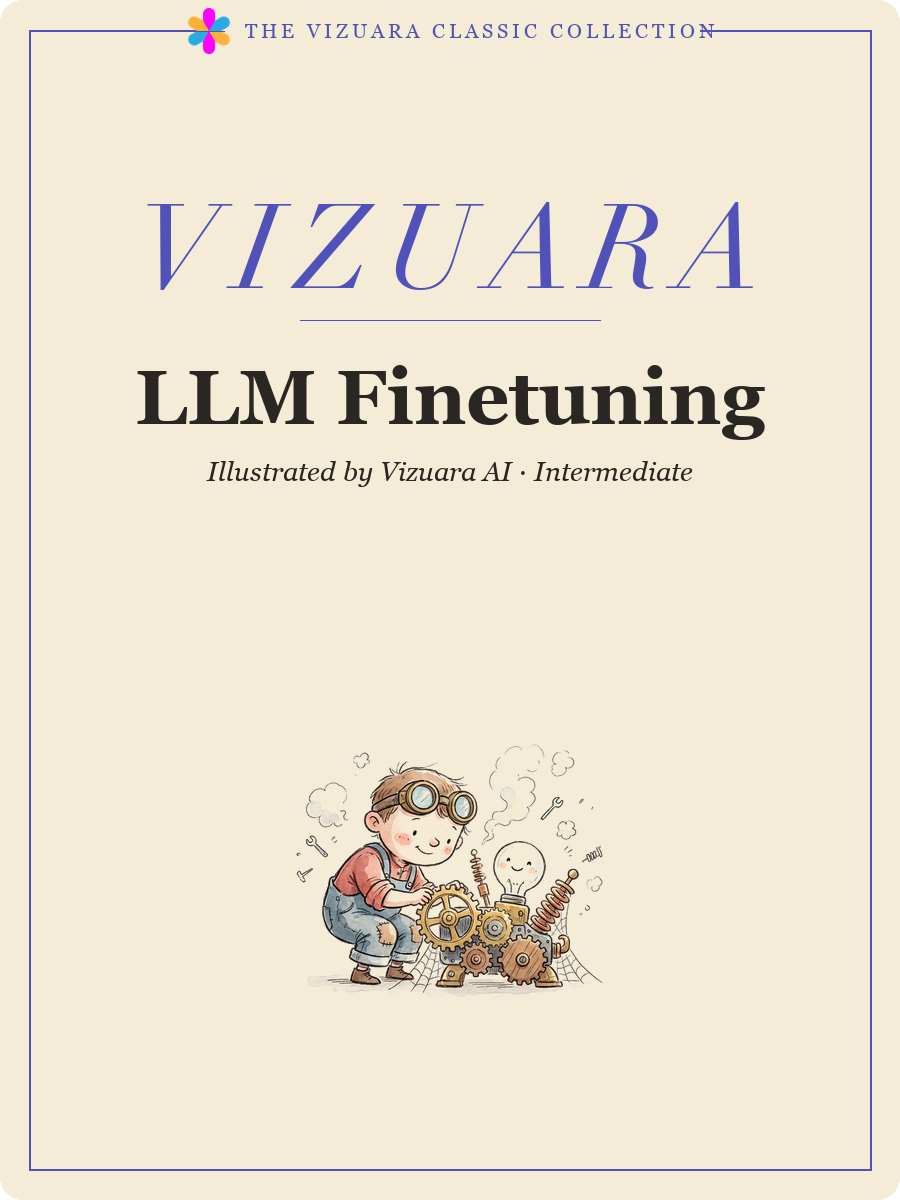 LLM FinetuningTake a pretrained model and rewire it for your own task with LoRA and PEFT.↳ reads best after Build Large Language Models (LLMs) from Scratch
Ship something
A model in a notebook is not a product. Retrieval, agents, evaluation, and a serving stack that survives real users.
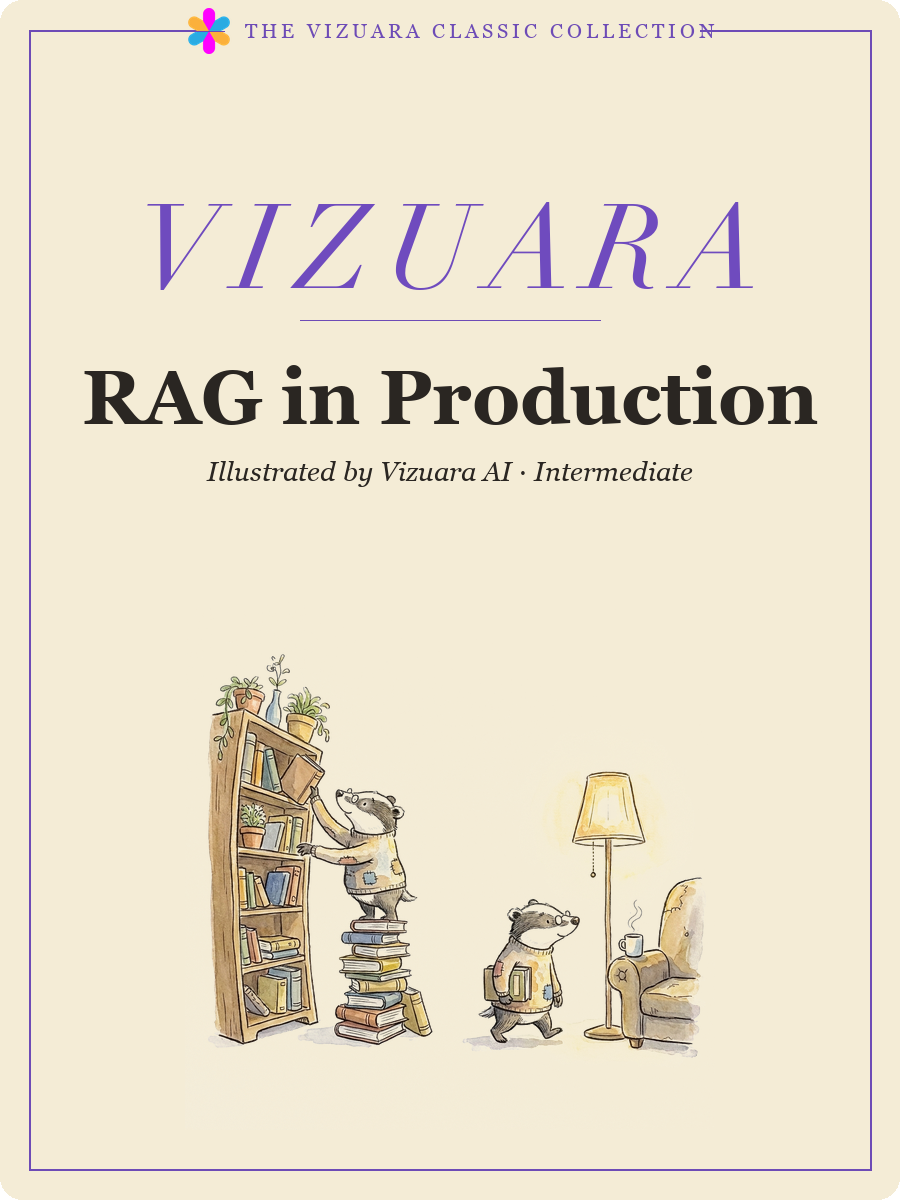 RAG in ProductionFreeRetrieval that holds up when real people ask real questions.↳ reads best after Transformers: Theory, intuition, and Building from Scratch
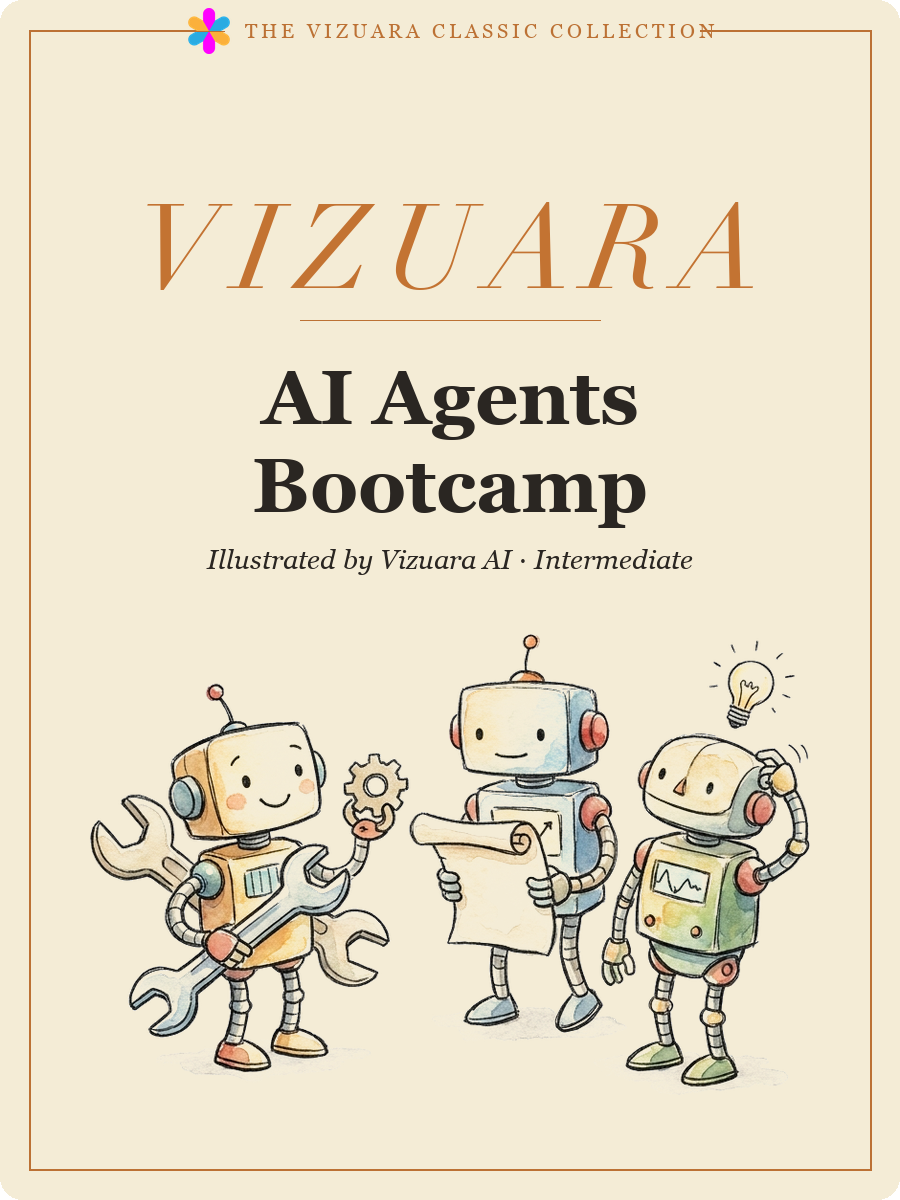 AI Agents BootcampTools, planning, and memory: agents from first principles rather than a tour of frameworks.↳ reads best after RAG in Production
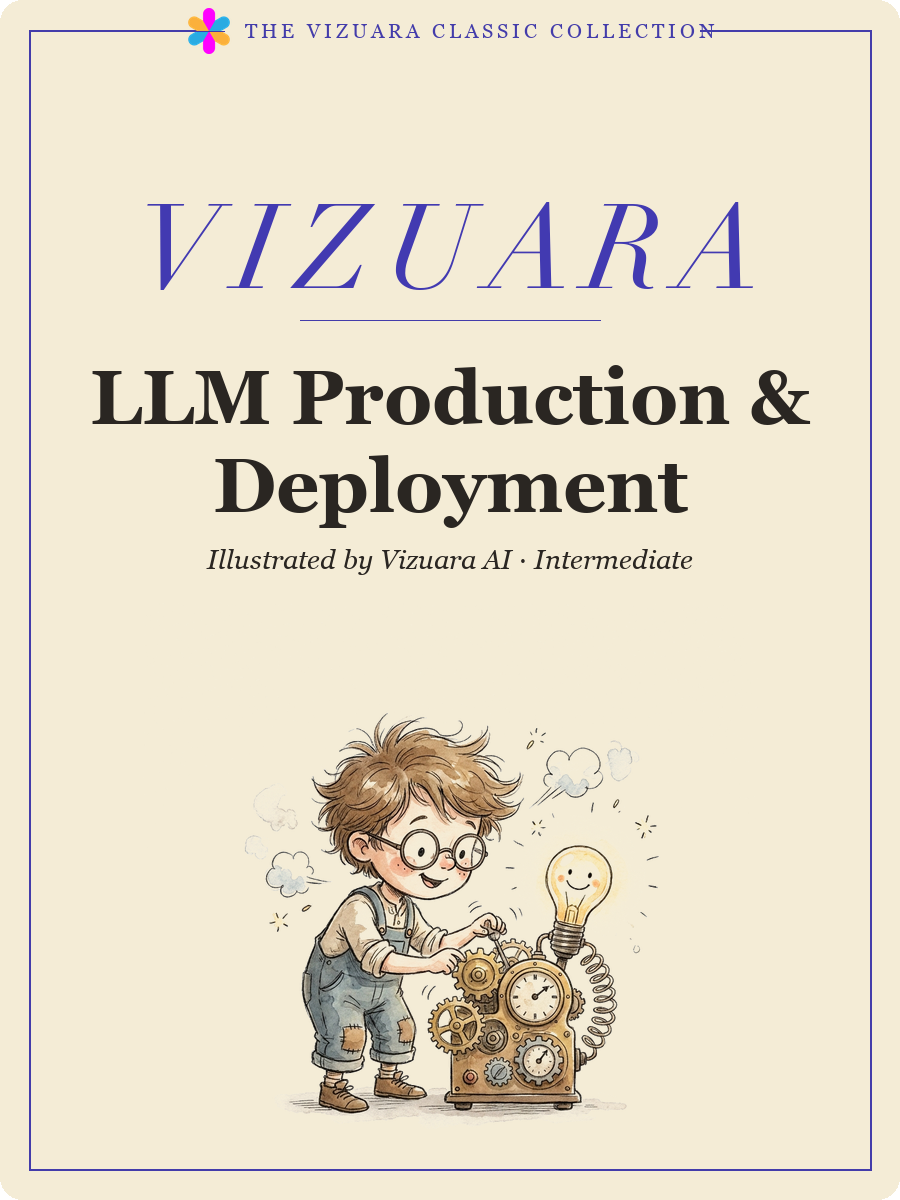 LLM Production & DeploymentServing, quantisation, latency, and cost. The distance between a notebook and a product.↳ reads best after LLM Finetuning
Pick a frontier
From here the path forks. Each branch is a place to go deep, and none of them needs the other three.
Vision and multimodal
Models that look at pixels, and models that hold an image and a sentence at once.
Reinforcement learning and robotics
Agents that act, get a reward, and act differently next time. Then the same idea on real hardware.
Systems and scale
What happens when one GPU is not enough, and what the model is actually running on.
Science and craft
Machine learning pointed at physics, and the writing that gets the result published.
That is the whole library. If you are not sure where you sit on this path, start at stage 1 and skim: the first chapter of every book is open to read.
Open the library